Showing all 2 results

Thermal Paste

MG Chemicals offers a full line of thermal pastes with a range of operating temperatures and thermal conductivities that enable the end-user to select the best thermal paste based on their needs. When placed between heat-generating components and heat sinks, a thermal paste displaces air pockets, which ensures full contact between the two surfaces, and prevents overheating

Ask An ExpertArticles & Videos
Thermal Pastes
860 – Silicone CPU Thermal Paste

860 – Silicone CPU Thermal Paste

The 860 is a CPU thermal paste that is silicone-based. Thermal grease like our 860 reduces thermal resistance between irregular metal surfaces. This thermal compound paste has reasonable thermal conductivity, a soft consistency and a wide operating temperature range. In some instances, these properties makes it the best thermal paste for CPU applications.

The 860 is a silicone thermal compound that is not an adhesive. While it mates the CPU to the heat sink, it does not form permanent, rigid bonds. The grease is reworkable should users need to switch out parts in the future. Heat sinks will require screws or other fasteners to secure to the board.

Read More »
8616 - Super Thermal Grease II Thermal Compound

8616 – Super Thermal Grease II Thermal Compound

8616 is a thermal compound with excellent thermal conductivity. This thermally conductive grease conforms between irregular surfaces when compressed, reducing thermal resistance and improving heat flow. The 8616 is a non silicone thermal compound that effectively transfers heat and is electrically non-conductive.

8616 is a thermal interface material ideal to apply over parts with a small surface area. This thermal compound is a paste and is easy to remove if there is a requirement for part replacement in the future. Like thermal pads, the 8616 does not stick to parts so securing the heat sink requires use of screws. The grease has a white, soft consistency making it easy to spread and work with.

Read More »
860 – Silicone CPU Thermal Paste

860 – Silicone CPU Thermal Paste

The 860 is a CPU thermal paste that is silicone-based. Thermal grease like our 860 reduces thermal resistance between irregular metal surfaces. This thermal compound paste has reasonable thermal conductivity, a soft consistency and a wide operating temperature range. In some instances, these properties makes it the best thermal paste for CPU applications.

The 860 is a silicone thermal compound that is not an adhesive. While it mates the CPU to the heat sink, it does not form permanent, rigid bonds. The grease is reworkable should users need to switch out parts in the future. Heat sinks will require screws or other fasteners to secure to the board.

Read More »
8616 - Super Thermal Grease II Thermal Compound

8616 – Super Thermal Grease II Thermal Compound

8616 is a thermal compound with excellent thermal conductivity. This thermally conductive grease conforms between irregular surfaces when compressed, reducing thermal resistance and improving heat flow. The 8616 is a non silicone thermal compound that effectively transfers heat and is electrically non-conductive.

8616 is a thermal interface material ideal to apply over parts with a small surface area. This thermal compound is a paste and is easy to remove if there is a requirement for part replacement in the future. Like thermal pads, the 8616 does not stick to parts so securing the heat sink requires use of screws. The grease has a white, soft consistency making it easy to spread and work with.

Read More »
  • High thermal conductivity – Prevents circuits from overheating
  • Highly compatible – Safe to apply on plastics, metal and rubbers
  • Corrosion resistant – Repels moisture
  • Reworkable – Can easily be removed if needed
  • Electrically insulating – Protects from arcing and corona discharge
  • Heat dissipation – LEDs and motors
  • Thermal management – High amperage devices like graphics processors
What should I do if there’s oil at the top of the stored grease?
Over time, oil – which is one of the main components of grease – will separate from the mixture. Since the oil is less dense than the filler component, it settles at the top where it may pool. If you see this, simply mix the grease with a spatula, making sure to work the oil back into the mixture. Continue to stir until the grease is homogeneous in consistency.
How should the paste be applied?
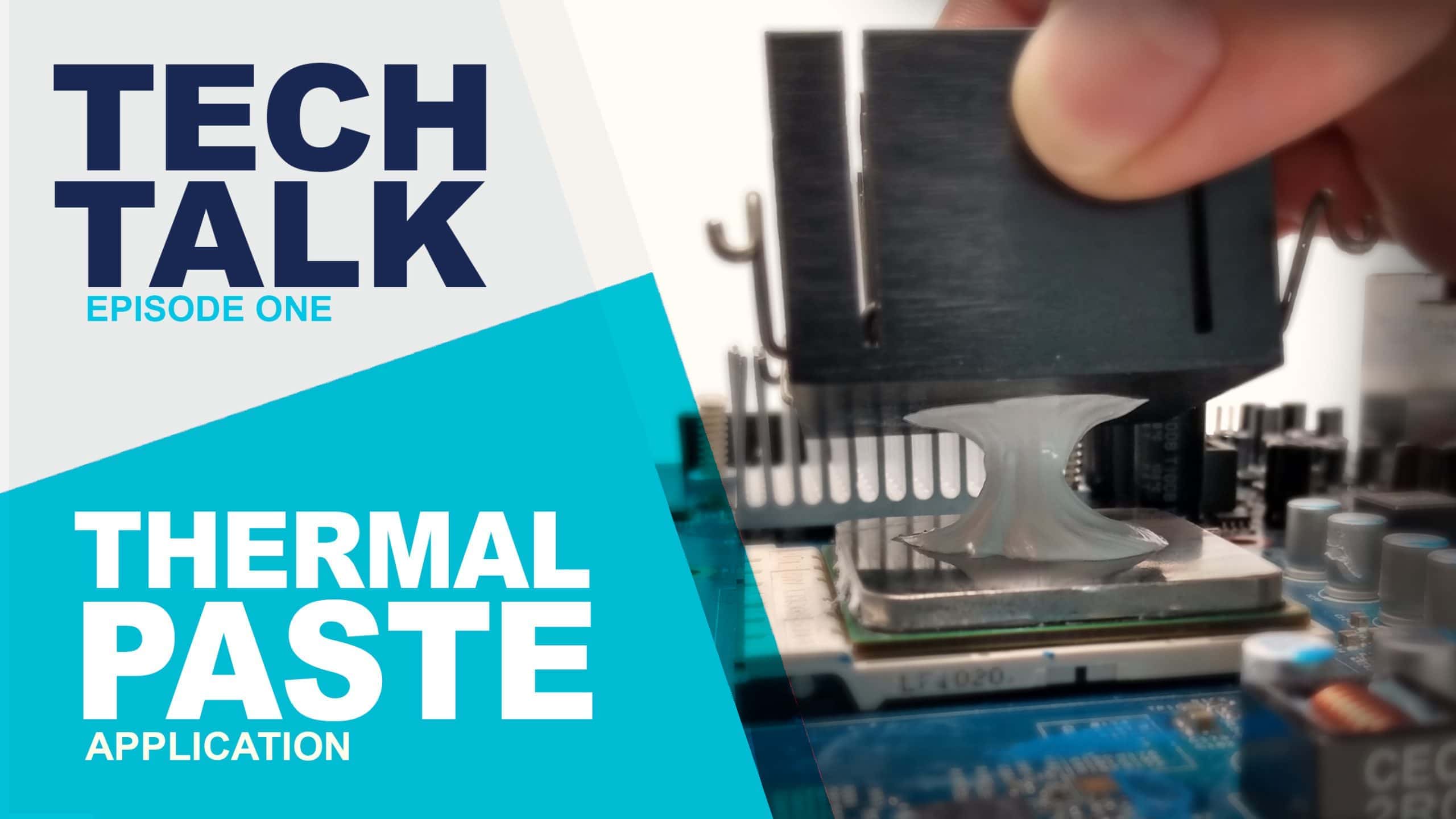
Please see our Tech Talk video 1: “Thermal Paste Application” which goes over tips and tricks of applying thermally conductive grease Tech Talk 1: Thermal Paste Application | MG Chemicals
Can I improve thermal performance by applying more paste?
If you mean applying it thicker than no, as this will increase the thermal resistance. The correct approach is to ensure you achieve coverage over the entire surface area to ensure all the air is displaced at the component/grease interface. The other important consideration is achieving a thin bond line as this lowers thermal resistance, giving you better heat flow.
How can I remove old paste?
Over time, thermal paste will dry up, cake and performance will decline. To remove dried up paste, simply take a mild solvent like isopropyl alcohol and wipe if clear of the surface. The paste should come off fairly easily.

How Can We Help?