
Introduction
Conductive epoxy paints combine the advantages of epoxy polymer systems with electrically conductive flakes to achieve efficiently conductive films that can survive especially harsh conditions. From EMI/RFI shielding to fabricating grounding paths, these paints offer exceptional durability and a cost-effective solution for enhancing electronic performance. In this guide, we’ll explore everything you need to know about conductive epoxy paints—their uses, application techniques, and advantages over other systems. To learn more about MG Chemicals’ innovative conductive epoxy paint solutions, click here.
What Are Conductive Epoxy Paints?
Conductive epoxy paints are coatings formulated with a 2-K epoxy polymer binder system and conductive metal flakes such as silver, silver-coated copper, and nickel. These paints conduct electricity yet maintain key features of an epoxy paint such as high chemical resistance and excellent adhesion to multiple substrate types.
Key Properties:
- High Conductivity: Ensures effective electrical pathways.
- Versatile Application: Can be applied by brush or spray
- Durability: Adheres well to many plastics, metals and concrete. Resists exposure to harsh chemicals
Top Applications of Conductive Epoxy Paints in Electronics
- EMI/RFI Shielding – Electromagnetic interference (EMI) and radio-frequency interference (RFI) can disrupt sensitive electronic components. Conductive epoxy paints are ideal for creating effective shielding on enclosures, PCB housings, and wearable electronics.
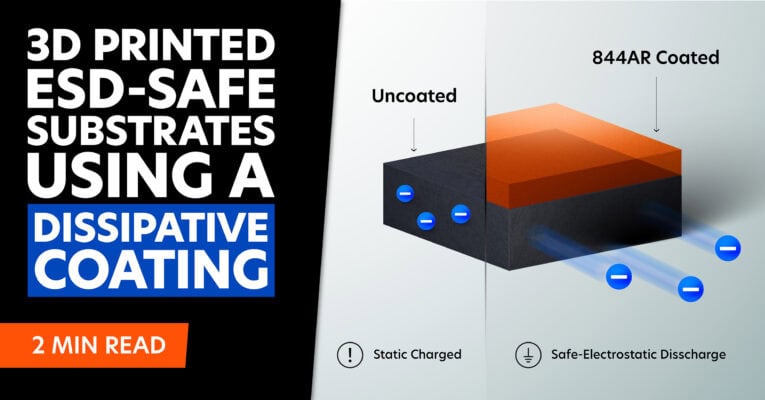
- Grounding – These paints are used to create grounding systems, ensuring the safe dissipation of static electricity in electronic assemblies.
- Antistatic Coating – Protect sensitive components by applying a thin antistatic layer to prevent electrostatic discharge (ESD).
- Other Niche Uses – Conductive epoxy paints are also utilized in robotics, automotive electronics, marine devices and within the oil and gas industry showcasing their versatility.
Advantages of Epoxy Formulations
- Durability – 2 component system that chemically reacts forming bonds that hold up to harsh chemical solvents
- Versatility – Adheres to metals, plastics, ceramics, composites and concrete
How to Apply Conductive Epoxy Paints
- Surface Preparation
- Clean the surface thoroughly to remove dust, oils, or debris.
- Some substrates such as polyolefins may require use a primer to improve adhesion.
- Application Methods
- Brush-On: Ideal for small areas or detailed work.
- Manual Spray: Provides uniform coverage for larger surfaces with minimal setup or expertise required.
- Automated Spray: Ideal where high throughput is required, negates the need for masking.
- Drying and Curing
- For best results, allow the coating to sit at room temperature for 30 minutes following application then heat cure the system at the recommended time and temperature found within the product technical data sheet
- Testing Conductivity
- Use a multimeter to verify electrical performance and ensure the desired conductivity is achieved.
Why Choose Conductive Epoxy Paints?
- Adhesion – Compared to other binder systems, epoxies have superior adhesion to multiple substrates including metals, plastics, ceramics, composites and concrete
- Chemical Resistance – Epoxies are thermoset resins and have superior chemical resistance compared to other binders like acrylics and even polyurethanes making them suitable for use in harsh environments
Tips for Optimal Results
- Apply in thin, even layers for consistent conductivity.
- Avoid common mistakes like insufficient surface preparation or applying overly thick coats.
MG Chemicals’ Conductive Epoxy Paints
MG Chemicals offers a diverse range of conductive epoxy paints using various conductive fillers, including silver, silver-coated copper and nickel. These products are available in liquid format.
Nickel
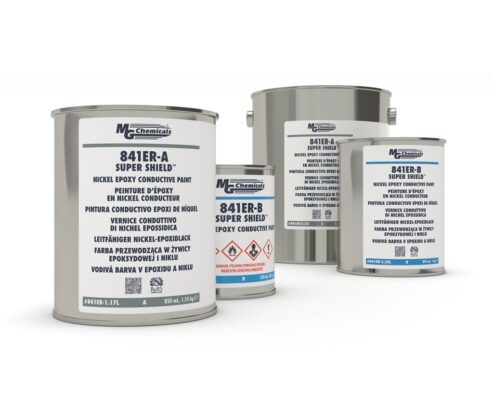
- 841ER – Super Shield Nickel Epoxy Conductive Coating – Nickel paint for broad spectrum EMI / RFI shielding. Offers excellent protection against galvanic corrosion with certain metals. Suitable for either EMI or grounding in harsh environments
Silver
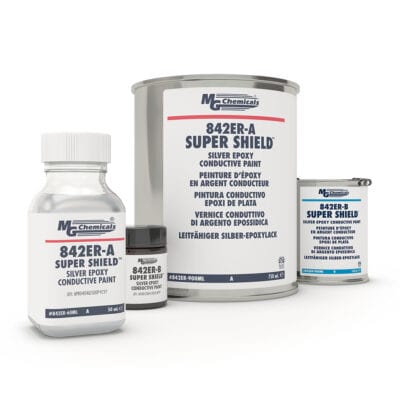
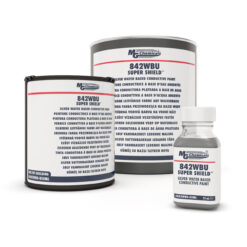
- 842ER – Super Shield Silver Epoxy Conductive Coating – Silver paint for superior EMI protection. Offers excellent corrosion resistance. Useful in some plating applications where high conductivity is required.
Silver-Coated Copper
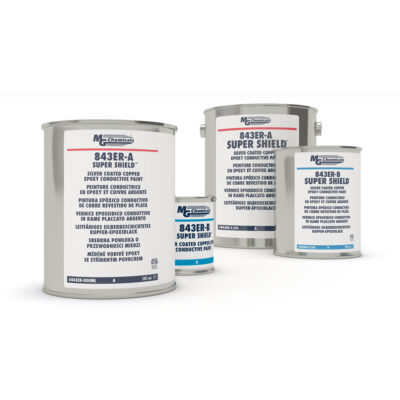
- 843ER – Super Shield Silver Coated Copper Epoxy Conductive Coating – Copper paint for cost effective EMI shielding.
Why Choose MG Chemicals?
- Industry Leadership: With 70 years of experience, MG Chemicals is a trusted name in the electronics industry, specializing in high-quality chemical products.
- Comprehensive Product Line: A wide range of conductive paints designed to meet diverse application needs, from DIY projects to industrial solutions.
- Global Availability: MG Chemicals products are distributed worldwide, ensuring easy access for customers across North America, Europe, Asia, and beyond.
- Exceptional Support: Dedicated technical and customer service teams offer personalized assistance and expert guidance to ensure successful outcomes.
- Commitment to Innovation: Continuous investment in research and development drives the creation of advanced, reliable solutions tailored to industry needs.
Conclusion
Conductive epoxy paints offer superior versatility and durability for electronics applications. Whether you’re shielding sensitive components from EMI or fabricating a grounding path, these paints are an invaluable tool for professionals and hobbyists alike. Explore MG Chemicals’ range of conductive epoxy paints to find the perfect solution for your project.
Contact us today or visit our Conductive Epoxy Paints product page to learn more!